
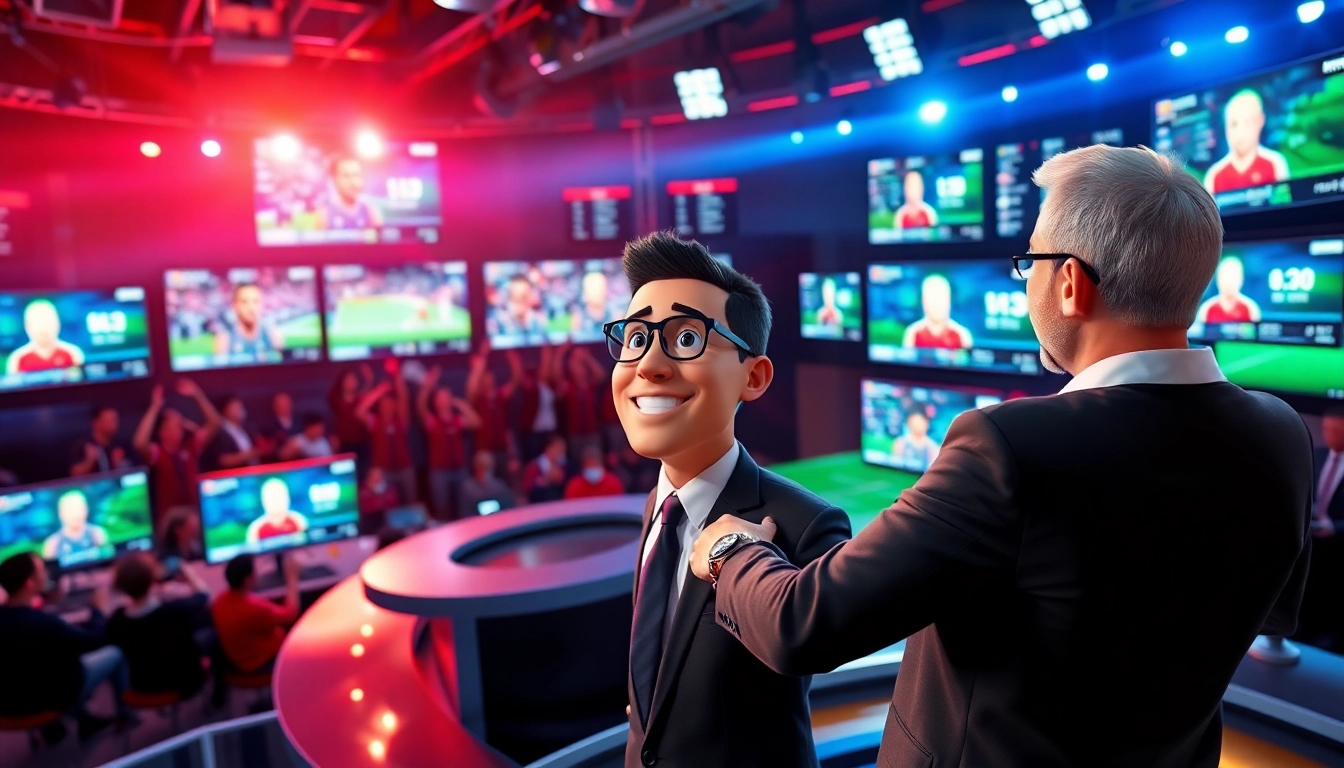
The Evolution of Sports Broadcasting
Historical Overview of Sports Broadcasting
Sports broadcasting has transformed dramatically from its inception. The journey began in the early 20th century when radio transmitted live sports events, giving fans access to games that were once only experienced in person. The first radio broadcast of a sports event occurred in 1921, showcasing a boxing match. This innovation laid the groundwork for the future of sports media. Soon after, television entered the scene, revolutionizing the way fans consumed sports. The first televised sporting event took place in 1939, featuring a baseball game, which captivated a broader audience.
The rise of color television in the 1960s further enhanced the sports viewing experience, allowing fans to appreciate the excitement of games with greater clarity and vibrancy. As cable television emerged in the 1980s, the landscape evolved yet again, enabling dedicated sports channels and providing viewers with round-the-clock coverage of events, highlights, and expert analysis. Fast forward to the 21st century, and we now have multiple platforms broadcasting live events, including digital and streaming services, leading to an era where sports broadcasting is more accessible than ever. Today, Sports Broadcasting is characterized by an array of platforms catering to diverse audiences.
Technological Advancements Impacting the Industry
The impact of technology on sports broadcasting cannot be overstated. Advancements have redefined how sports events are televised and consumed. The introduction of high-definition (HD) and ultra-high-definition (UHD) broadcasts has brought unprecedented clarity and detail to viewers, making them feel as if they are part of the action. Additionally, innovations such as instant replay systems and slow-motion replays enhance viewers’ understanding of pivotal moments during games.
The advent of virtual reality (VR) and augmented reality (AR) is set to change the game further. These technologies allow fans to experience events in immersive ways, giving them a front-row seat from their own homes. Furthermore, innovations in mobile technology and the rise of smart TVs have led to a shift in how viewers engage with content, enabling on-the-go access to sports broadcasts and interactive applications.
The Role of Streaming Services in Sports Broadcasting
Streaming platforms have emerged as a formidable force in the realm of sports broadcasting. As traditional cable subscriptions decline, streaming services offer a flexible alternative, allowing viewers to watch live sports on various devices without the need for a traditional cable package. Services like Amazon Prime Video and specialized sports platforms have acquired rights to broadcast various leagues and events, providing fans with greater access to their favorite sports.
These services also allow for customization, enabling fans to choose specific games or leagues to follow, along with additional content such as analysis and highlights. The interactive features available through streaming platforms, such as the ability to pause, rewind, and select camera angles, enhance viewer engagement and cater to the preferences of modern audiences.
Essential Techniques for Effective Sports Broadcasting
Creating Compelling Narratives in Sports Coverage
Creating narratives in sports broadcasting is about telling a story that resonates with viewers. A compelling narrative can elevate a game coverage from mere reporting to an engaging experience. Broadcasters must focus on the histories of teams, rivalries, and player backgrounds, weaving these elements into the fabric of the game itself. The best narratives build emotional connections and provide context to the events that unfold.
Utilizing interviews, behind-the-scenes footage, and player backstories can enhance these narratives, making the broadcast richer and more engaging. On-air personalities should strive to inject enthusiasm and perspective into the storytelling, drawing viewers in and making them feel a part of the journey.
Utilizing Graphics and Stats to Enhance Viewer Experience
The visual presentation of data is crucial in sports broadcasting. Graphics and statistics not only provide context to what viewers see on the field but can illuminate patterns, trends, and insights that enhance the viewing experience. Infographics, player statistics, and real-time data overlays help viewers grasp complex information quickly, leading to a more educated and engaged audience.
Effective use of graphics should also highlight key moments, correlate statistics with real-time play, and create interactive elements that encourage viewer participation. However, balance is key; an overabundance of graphics can overwhelm viewers, so broadcasters must find the right equilibrium to ensure clarity and engagement.
Building Rapport with the Audience
Establishing a connection with the audience is vital in sports broadcasting. This rapport can be built through authenticity, relatability, and engagement. Broadcasters are encouraged to share personal experiences and opinions, as this fosters trust and encourages an emotional connection with viewers. Knowing the audience’s preferences, interests, and pain points through audience analytics can inform how broadcasters tailor their delivery and content.
Engagement also extends to acknowledging viewers’ inputs through social media, polls, and fan questions, creating a two-way dialogue. When viewers feel valued, their loyalty increases, which is essential for maintaining a dedicated audience.
The Impact of Social Media on Sports Broadcasting
Engaging Fans Through Interactive Content
Social media has revolutionized the way fans engage with sports and sports broadcasting. Platforms like Twitter, Instagram, and TikTok allow broadcasters to create interactive content that enhances the viewing experience. Engaging content such as polls, quizzes, and behind-the-scenes glimpses can spark conversation and excitement among fans.
Furthermore, social media facilitates real-time interaction during live broadcasts. Broadcasters can invite fans to share their thoughts, creating a sense of community around the event. Highlighting fan reactions, particularly during pivotal moments, adds a layer of authenticity and captures the pulse of the audience, reinforcing their connection to the sport.
Maximizing Reach with Live Streaming Platforms
Live streaming platforms have become essential in extending the reach of sports broadcasting. With an increasing number of viewers turning to online platforms, broadcasters can tap into new audiences that were previously inaccessible. Utilizing social media channels for live broadcasts or post-game interviews can attract a younger demographic that prefers online content over traditional television.
Additionally, live streaming allows for flexibility in content delivery. Broadcasters can feature interactive segments, Q&A sessions, and immediate post-game analysis, enhancing the viewer's experience and retaining audience attention longer. By maximizing reach, sports organizations can expand their fan base significantly.
Analyzing Audience Behavior on Social Media
Understanding audience behavior on social media is integral for effective sports broadcasting. Analyzing engagement metrics, such as likes, shares, and comments, can provide insights into what content resonates with fans. Tools that analyze audience sentiment and preferences can inform future broadcasts, allowing broadcasters to refine their strategy.
Moreover, tracking trending topics can help broadcasters stay ahead of the curve, adjusting coverage in real-time to reflect the current interests of fans. By merging data analytics with creative content strategies, broadcasters can create a dynamic viewing experience that meets audience expectations.
Challenges in Sports Broadcasting Today
Technological Hurdles in Live Sports Coverage
Despite the advancements in technology, sports broadcasting faces several challenges, particularly concerning live coverage. The unpredictability of live events can lead to technological issues such as transmission failures, camera malfunctions, or audio problems. Ensuring redundancy and reliability in technology is crucial for addressing these challenges effectively.
Moreover, broadcasters must invest in training staff on new technologies to ensure smooth operation during live events. Developing contingency plans and maintaining backup systems can help mitigate potential disruptions, ensuring consistent and high-quality broadcasts.
Maintaining Quality in Remote Broadcasts
The rise of remote broadcasting, accelerated by recent global events, presents its own set of challenges. Ensuring high-quality audio and video streams can be difficult when teams are broadcasting from various locations. Factors such as internet connectivity, bandwidth limitations, and equipment quality can affect the final product's integrity.
To counter these challenges, broadcasters should conduct thorough testing before live events and invest in high-quality equipment. Implementing remote production solutions can improve quality while reducing the need for on-site staff, enabling broad coverage of diverse events.
Navigating Licensing and Copyright Issues
The complexities of licensing and copyright regulations can pose significant challenges for sports broadcasters. Navigating these legal landscapes requires a deep understanding of intellectual property laws, especially with the growth of international streaming where rules may vary significantly. Mistakes in licensing can lead to severe financial repercussions and loss of broadcasting privileges.
Broadcasters must prioritize compliance and engage legal expertise to negotiate contracts and understand broadcasting rights thoroughly. Leveraging data analytics to monitor content usage can help protect organizations from potential infringements.
Future Trends in Sports Broadcasting
Predictions for the Next Decade in Sports Media
Looking ahead, the future of sports broadcasting is poised to change significantly over the next decade. With the integration of advanced technology such as 5G networks, broadcasters will be able to deliver faster, higher quality streaming to audiences, providing an experience that mirrors live attendance. The growth of eSports will continue to influence traditional sports broadcasting, as fans seek comprehensive coverage of both spectated and participated events.
The personalization of viewer experience will also take center stage. Broadcasters will leverage AI to tailor content to individual preferences, allowing for customized viewing options that enhance audience engagement.
Innovations in Audience Engagement
Audience engagement will evolve with the application of technology, particularly AR and VR, providing immersive experiences that allow fans to experience games from various perspectives. Innovations such as gamification—integrating game-like elements into broadcasts—can foster greater interaction and loyalty among viewers.
Social media will play an integral role in enhancing engagement, as live polls, interactive content, and instant feedback mechanisms increasingly draw in fans. Organizations will need to be proactive in responding to fan interactions to create a vibrant community around their broadcasts.
The Influence of Artificial Intelligence in Broadcasting
Artificial intelligence (AI) is predicted to have a profound impact on sports broadcasting. AI technologies can automate tasks, enhance data analytics, and improve the overall viewing experience. For instance, AI can analyze player and team performance, enabling broadcasters to deliver insightful commentary based on vast data sets.
Moreover, AI-driven content creation tools can assist in generating highlight reels and summaries, significantly reducing production time. The ability to predict outcomes and analyze viewer behavior using AI will provide broadcasters with the insights needed to tailor their offerings dynamically.
Frequently Asked Questions
What is sports broadcasting?
Sports broadcasting refers to the distribution of live or recorded sports events on various platforms such as television, radio, and online streaming services.
How has technology changed sports broadcasting?
Technology has improved the quality and accessibility of sports broadcasts, enabling HD viewing, instant replays, graphics, and multi-device streaming options.
What role do streaming services play in sports broadcasting?
Streaming services provide flexible, on-demand access to sports content, attracting viewers who prefer watching on digital platforms rather than traditional cable.
How can broadcasters engage with their audience?
Broadcasters can engage with their audience through social media, interactive content, fan polls, and by creating compelling narratives around the events.
What are the future trends in sports broadcasting?
Future trends include enhanced viewer experiences through VR and AR, personalized content using AI, and increased engagement through innovative interactive technologies.